Mealtime adventures are better with Bibado! Let our award-winning products make a difference to your weaning journey.
 Shop Now
CART
Your cart is empty
Mealtime adventures are better with Bibado! Let our award-winning products make a difference to your weaning journey.
Shop Now
While it might not be the most glamorous part of starting solids, baby poo can actually tell you a lot about how your little one is adjusting to food. To help make sense of it all, child nutritionist and feeding expert Lucy Upton answers the most common questions parents have about poo during weaning.
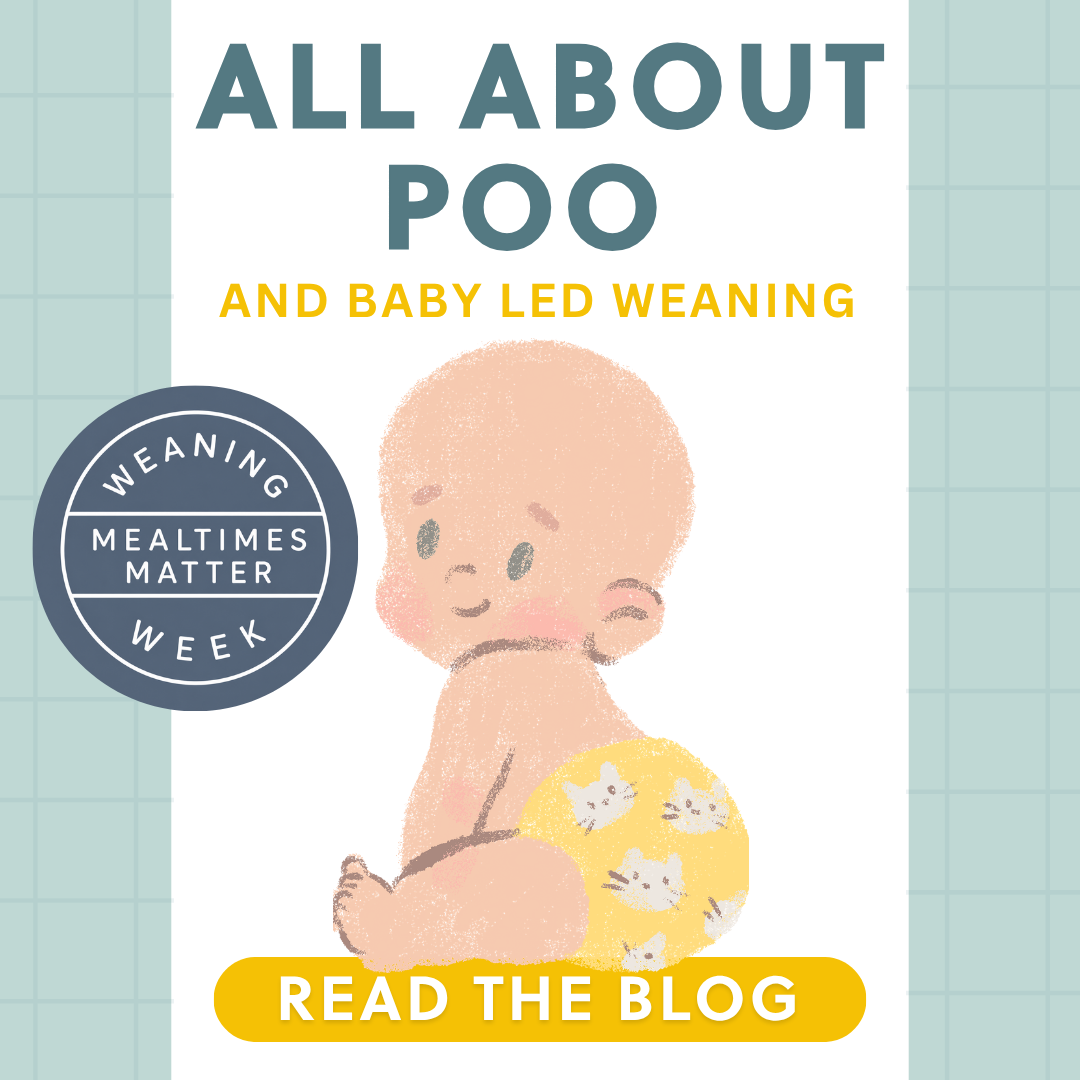
Once weaning begins, conversations at home can quickly shift to one unexpected topic: nappies. What’s in them, what’s changed, and is it all normal?!
While it might not be the most glamorous part of starting solids, baby poo can actually tell you a lot about how your little one is adjusting to food.
To help make sense of it all, child nutritionist and feeding expert Lucy Upton answers the most common questions parents have about poo during weaning.
Yes - very normal.
Poo changes are one of the most common things parents notice when starting solids. This is because your baby is transitioning from a milk-based diet to a much more complex mix of foods.
Their digestive system is learning on the job, just like they are.
There are a few typical changes you might see:
Firmer stools
As solids increase, poo often becomes more formed than milk-fed stools.
Food in poo
You may notice undigested bits such as sweetcorn, seeds, vegetable skins, or peas. This is completely normal and reflects how babies eat and digest at this stage.
Colour changes
Poo may become greener, darker brown or vary depending on what your baby has eaten.
Stronger smell
Yes - weaning often brings a noticeable increase in smell. This is normal!
This is something that worries many parents, but it is usually nothing to be concerned about.
Babies are still developing chewing skills, and their digestive system is immature. Some foods, particularly those with fibrous skins like sweetcorn, simply move through the gut without being fully broken down.
What you see in the nappy is often just food passing through as expected.
Up to 1 in 3 children do experience constipation in their early years, according to NICE guidelines and ERIC (the children’s bowel and bladder charity). Read Bibado founder Dan's own experience with his family here.
Signs may include:
Hard, pellet-like stools
Straining or discomfort
Less frequent bowel movements
This often improves as their body adjusts to solids and their diet becomes more balanced. By focusing on fibre, hydration and a balanced approach, you can give your child the best possible start.
Most poo changes during weaning are normal, but there are a few things to monitor:
Hard, dry stools that are difficult to pass
Ongoing constipation with discomfort
Loose stools that persist over several days
Blood or unusual mucus in stools
If you notice any of these, it’s important to seek advice. If your child is struggling beyond the norm, or you suspect they might be, ERIC have excellent, practical guidance on recognising and managing constipation.
If you’re ever unsure, it’s always best to check in with your GP or health visitor.
Trust your instincts, you know your baby best.
Weaning brings a lot of change, and nappies are often one of the clearest signs of that transition.
From firmer stools to food appearing undigested, most changes are simply your baby’s digestive system adapting to life beyond milk.
And if you’ve found yourself inspecting a nappy a little more closely than expected — you’re in very good company.
If you have any concerns, please contact your GP.
This blog is part of our wider Weaning Week series, where we're sharing an abundance of expert weaning advice and practical tips to help you embrace messy mealtimes with confidence. Stay tuned for our next instalment coming your way tomorrow!
Read Weaning Week Day 1: Why Weaning Matters For Their Brain Development
Read Weaning Week Day 2: How Weaning Builds Confidence
More Than Eating: How Weaning Builds Confidence
To explore why sensory development and independence are such important parts of weaning, child nutritionist and feeding expert Lucy Upton shares why the mess is where the magic happens.
Read more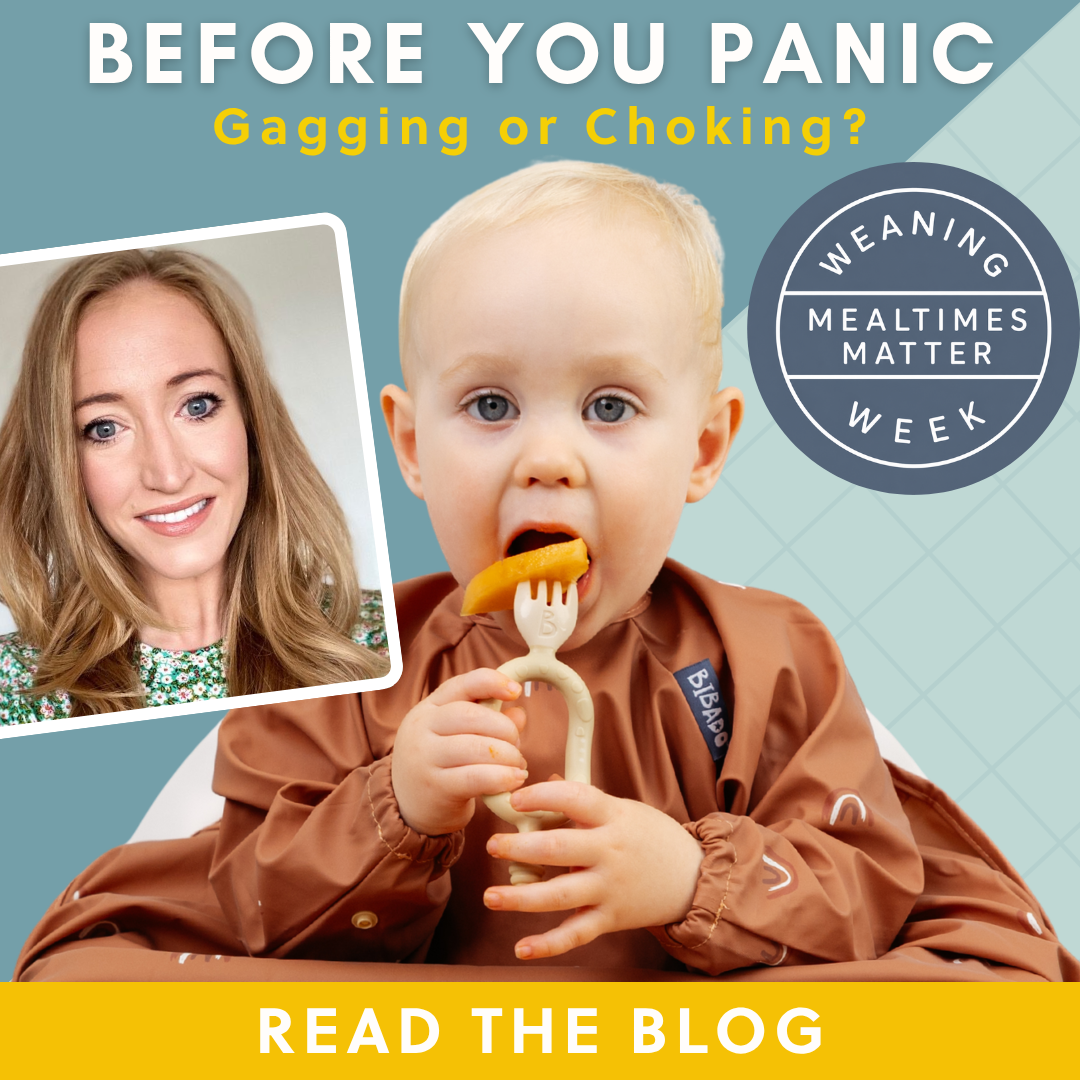
Before You Panic: Gagging vs Choking Explained
There are a few topics that can make weaning feel especially nerve-wracking, and gagging versus choking is right at the top of that list. To help bring clarity and confidence, we’ve asked trusted c...
Read moreFollow us for more delicious, nutritious bite-size Bibado goodness
