Mealtime adventures are better with Bibado! Let our award-winning products make a difference to your weaning journey.
 Shop Now
CART
Your cart is empty
Mealtime adventures are better with Bibado! Let our award-winning products make a difference to your weaning journey.
Shop Now
To explore why sensory development and independence are such important parts of weaning, child nutritionist and feeding expert Lucy Upton shares why the mess is where the magic happens.
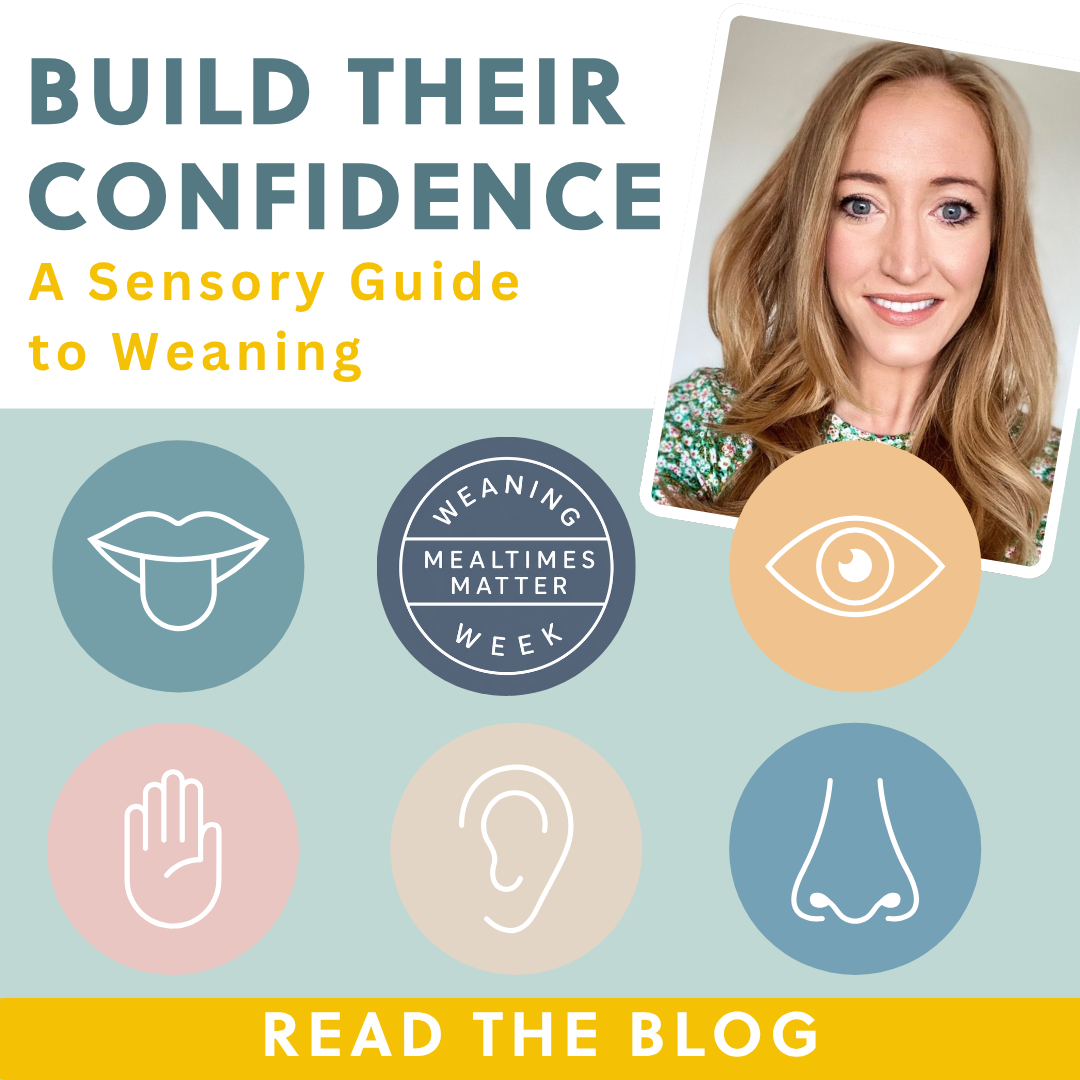
Weaning is one of the first opportunities babies have to explore, learn and build confidence through everyday experiences. From exploring new textures to learning to feed themselves, messy mealtimes are helping little ones develop skills that will support them now and well into childhood.
To explore why sensory development and independence are such important parts of weaning, child nutritionist and feeding expert Lucy Upton shares why the mess is where the magic happens.
You might be surprised to hear this from a dietitian, but weaning is not just about getting energy and nutrients into your baby.
Of course, nutrition matters. But two of the biggest benefits of starting solids are often overlooked: supporting your baby’s sensory understanding, development and building early independence.
These are not small extras. They are essential parts of learning to eat, and so much more.
There is no bigger sensory task in the body than eating.
When your baby sits down to explore food, multiple sensory systems are working together all at once. They are taking in information through:
Touch – feeling smooth yoghurt, sticky banana or crumbly toast
Taste – discovering sweet, savoury, bitter and sour flavours
Smell – learning the scents of different foods
Sight – noticing colours, shapes and textures
Sound – hearing crunches, splats and squishes
Their brain is learning to process all of this information together, helping them feel more confident and comfortable around food over time whilst also priming their brain for growth and connection building.
It’s easy to assume babies should simply put food in their mouths and eat it.
But when babies squash avocado in their fists, smear porridge across the tray or spread yoghurt from one side of the highchair to the other, they are doing important developmental work.
They’re learning:
What different textures feel like
How food changes when squeezed or moved
How sticky, wet, dry or crunchy foods behave
How to tolerate sensory experiences around food
That mealtimes are safe spaces to explore
And even more baby steps toward their cognitive and physical development. What looks like play is often powerful learning. Through these repeated actions and experiences, their brains are constantly firing off key neural growth hormones to support their cognitive development.
One of the greatest gifts you can give your baby during weaning is the chance to do things for themselves.
Stepping back a little so your baby can step up allows them to practise things like:
Picking food up with their fingers
Bringing food to their mouth
Using spoons and utensils over time
Deciding whether they want more or have had enough
Trusting their own hunger and fullness cues
Over time, succeeding in these early experiences build confidence and competence - skills that support not just feeding now, but independence to last a lifetime.
Watching your baby struggle with a spoon, throw food on the floor or create chaos in seconds can test anyone’s patience.
But learning rarely looks neat.
Babies need time, repetition and opportunities to practise. If adults always take over, babies miss valuable chances to problem-solve, coordinate their movements and build resilience.
Sometimes the best support is simply giving them space to try. More on this here.
When babies are free to explore food, they’re doing so much more than eating lunch. They’re developing body awareness, confidence, coordination and positive relationships with food and so much more.
So next time a meal ends up everywhere except the bowl, remember:
That mess is not failure.
It’s learning.
It’s independence.
It’s development in action.
Weaning is not just about what goes into your baby’s tummy. It’s about everything they gain along the way.
Every squash, smear, scoop and self-fed bite is helping your baby build on their sensory understanding, confidence and independence for the future, all the while building key neural growth connections to support their brain development.
This blog is part of our wider Weaning Week series, where we're sharing an abundance of expert weaning advice and practical tips to help you embrace messy mealtimes with confidence. Stay tuned for our next instalment coming your way tomorrow!
Read Weaning Week Day 1: Why Weaning Matters For Their Brain Development
Why Weaning Matters for Their Brain Development
Starting solids is a huge developmental milestone, helping little ones build brain-boosting connections with every bite, squish and smear. To explore why weaning is such an important stage for earl...
Read more
What Your Baby’s Poo Is Telling You During Weaning
While it might not be the most glamorous part of starting solids, baby poo can actually tell you a lot about how your little one is adjusting to food. To help make sense of it all, child nutritioni...
Read moreFollow us for more delicious, nutritious bite-size Bibado goodness
