Mealtime adventures are better with Bibado! Let our award-winning products make a difference to your weaning journey.
 Shop Now
CART
Your cart is empty
Mealtime adventures are better with Bibado! Let our award-winning products make a difference to your weaning journey.
Shop Now
Dan Laxton, Bibado’s founder and dad of three, has lived through weaning more than once and learned (often the hard way) that it’s rarely as simple as it first appears. Here are a few things he wishes he’d known from the start.
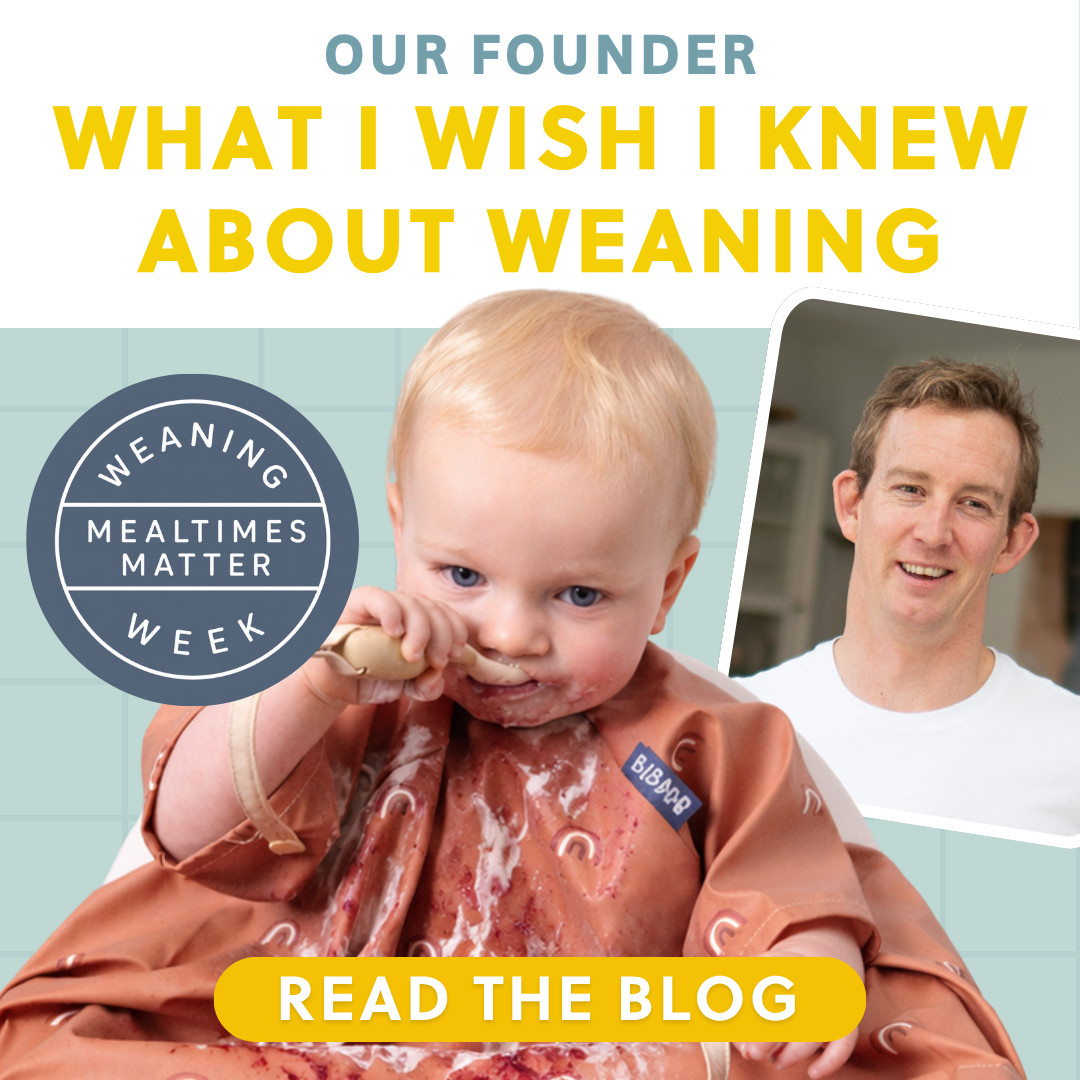
At Bibado, we talk a lot about weaning — not just because it’s what we do, but because it’s the most important, sensory rich part of your baby's day: contributing massively to their overall cognitive and physical development.
Dan Laxton, Bibado’s founder and dad of three, has lived through weaning more than once and learned (often the hard way) that it’s rarely as simple as it first appears. Here are a few things he wishes he’d known from the start.
It’s easy to assume refusal means fussiness. But often, it’s physical.
Eating requires coordination of chewing, tongue movement, and swallowing all at the same time. Babies are learning how to move food to the side of their mouth to chew, how to control their tongue, and how to safely move food back to swallow.
When those skills aren’t quite developed yet, food can feel confusing or even uncomfortable.
That can lead to gagging, spitting, or refusal.
Not because they don’t like the taste…
But because they simply can’t manage it yet.
And that changes everything about how we respond.
Once I understood that eating is a skill, it became clear that we could actually support it in small, practical ways.
A few things that really matter:
1. Texture progression matters more than we think
Start with smooth foods, but don’t stay there too long. Gradually introduce lumpier and firmer textures so your baby can practise the full range of mouth movements they’ll need later on.
2. Hard munchables (not for eating)
Things like mango pits and watermelon rinds (used safely and appropriately for exploration, not consumption) can help babies practise biting, chewing and oral awareness. It’s about muscle development, not nutrition.
3. Teethers throughout the day
Keeping firm teethers available gives babies regular opportunities to strengthen and coordinate their mouth muscles. Tools like Dotty are designed specifically to support this kind of oral development.
4. Open cup drinking early on
It surprised me to learn this, but drinking from an open cup uses many of the same oral skills needed for eating more complex textures. Cups like Sippit help develop those patterns right from the beginning.
Small changes like this can really support their confidence and ability with food later on.
One of the most important shifts for me was moving from “feeding” to “assisted feeding”.
Instead of taking over, you support the process.
That might mean:
Preloading a spoon and handing it over
Placing food within easy reach
Letting them decide what goes into their mouth
It sounds simple, but it changes everything.
Because when babies stay in control, they stay engaged. And that’s where the learning happens.
Eating isn’t something babies are born knowing how to do. It’s something they develop through repetition and experience.
And assisted feeding gives them just enough help without taking away their opportunity to learn.
We’ve also designed tools specifically to support this, like Sporkit. Its spork end makes it easier to pick up trickier foods like avocado, mango, or green beans, so you can preload and hand it over for your baby to take control. It helps widen exposure to different tastes and textures right from the start, without frustration.
There’s a moment every parent recognises — your baby is trying to eat, but it’s not quite going to plan.
Your instinct is to help. To fix it. To make it easier.
But what I wish I’d understood sooner is this: when we step in too quickly, we can interrupt the learning process.
Every dropped spoon, every missed mouthful, every messy attempt… that’s your baby building core brain connections and confidence.
It’s not just about getting food in. It’s about learning how to do it themselves.
That doesn’t mean stepping back completely. It means supporting without taking over.
Sometimes that’s preloading a spoon. Sometimes it’s guiding their hand gently instead of doing it for them.
Because struggle isn’t failure here, it’s practice.
Mealtimes can look chaotic: Food on the floor. Food in their hair. Food absolutely everywhere.
And I remember thinking I should be controlling that.
But the truth is, mess isn’t the problem.
Mess is learning.
When babies touch, smear, squish and explore food, they’re building sensory understanding. They’re learning how textures behave, how food feels, and how it changes under pressure.
Mealtimes are one of the richest sensory experiences your child will have each day. And that sensory input is what drives brain development.
So those messy moments aren’t something to tidy away from too quickly.
The more they engage, the more they learn.
One of the easiest traps to fall into is sticking with foods you know your baby will accept.
It makes sense - you want them to eat something.
But I wish I’d understood earlier that at this stage, eating volume isn’t the goal; exposure is.
Until milk feeds naturally reduce closer to 12 months, solid food is about exploration, not nutrition replacement. That means variety matters far more than intake.
It’s completely normal for babies to reject foods at first. That doesn’t mean they won’t accept them later.
The key is consistency.
Keep offering a wide range of flavours and textures, even if they’re not eaten right away. Don’t rotate things out too quickly just because they weren’t accepted the first time.
Familiarity builds over time.
And what feels like rejection today often becomes acceptance later.
If I could go back, I’d tell myself this:
Weaning isn’t about getting it right straight away.
It’s about giving your baby the chance to learn. It's not about the amount they eat, but about them developing the skills and food acceptance needed so that when their milk feeds start to reduce around 12 months of age, they're ready and able for solid foods to replace that nutrition. So it's not about what they eat now, but about what you're preparing them to be able to eat in the future.
So let them explore.
To struggle a little.
To try again.
And slowly build the skills they need.
Once I understood that, everything became calmer, more realistic, and honestly, a lot more enjoyable.
Because when you stop focusing only on what goes in… You start seeing everything they’re gaining along the way.
This blog is part of our wider Weaning Week series, where we're sharing an abundance of expert weaning advice and practical tips to help you embrace messy mealtimes with confidence. Stay tuned for our next instalment coming your way tomorrow!
Read Weaning Week Day 1: Why Weaning Matters For Their Brain Development
Read Weaning Week Day 2: How Weaning Builds Confidence
Read Weaning Week Day 3: What Your Baby's Poo Is Telling You During Weaning
Read Weaning Week Day 4: Gagging vs Choking Explained
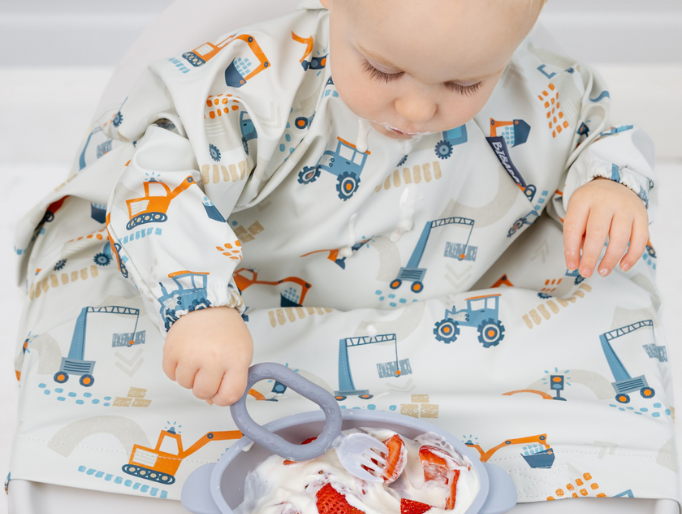
Silicone Bibs vs Fabric Bibs: Which Is Best for Weaning?
When your baby starts weaning, one thing becomes clear very quickly: mealtimes are messy. Choosing the right bib can make a big difference to how easy (or stressful) those meals feel. So which one ...
Read more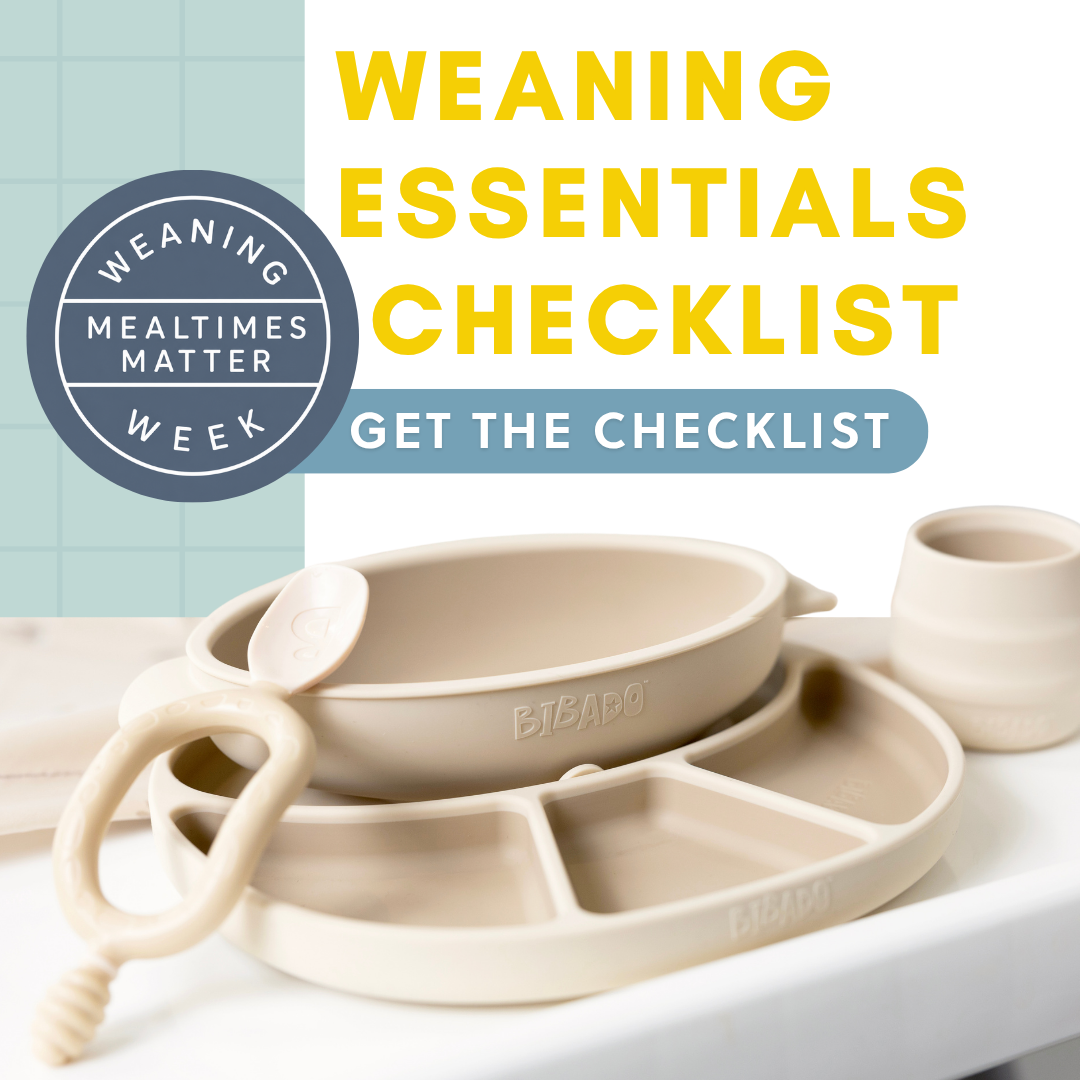
Your Weaning Checklist: What Do You Really Need?
From highchairs to gadgets to endless “must-have” lists online, it can seem like you need a full setup before your baby even sees their first spoonful of food. In reality, you don’t need nearly as ...
Read moreFollow us for more delicious, nutritious bite-size Bibado goodness
