Mealtime adventures are better with Bibado! Let our award-winning products make a difference to your weaning journey.
 Shop Now

CART
Your cart is empty
Mealtime adventures are better with Bibado! Let our award-winning products make a difference to your weaning journey.
Shop Now
Lucy Upton shares 8 practical, expert-backed tips to give you the best start to Baby-Led Weaning possible, and how best to support your baby once food is on the menu.
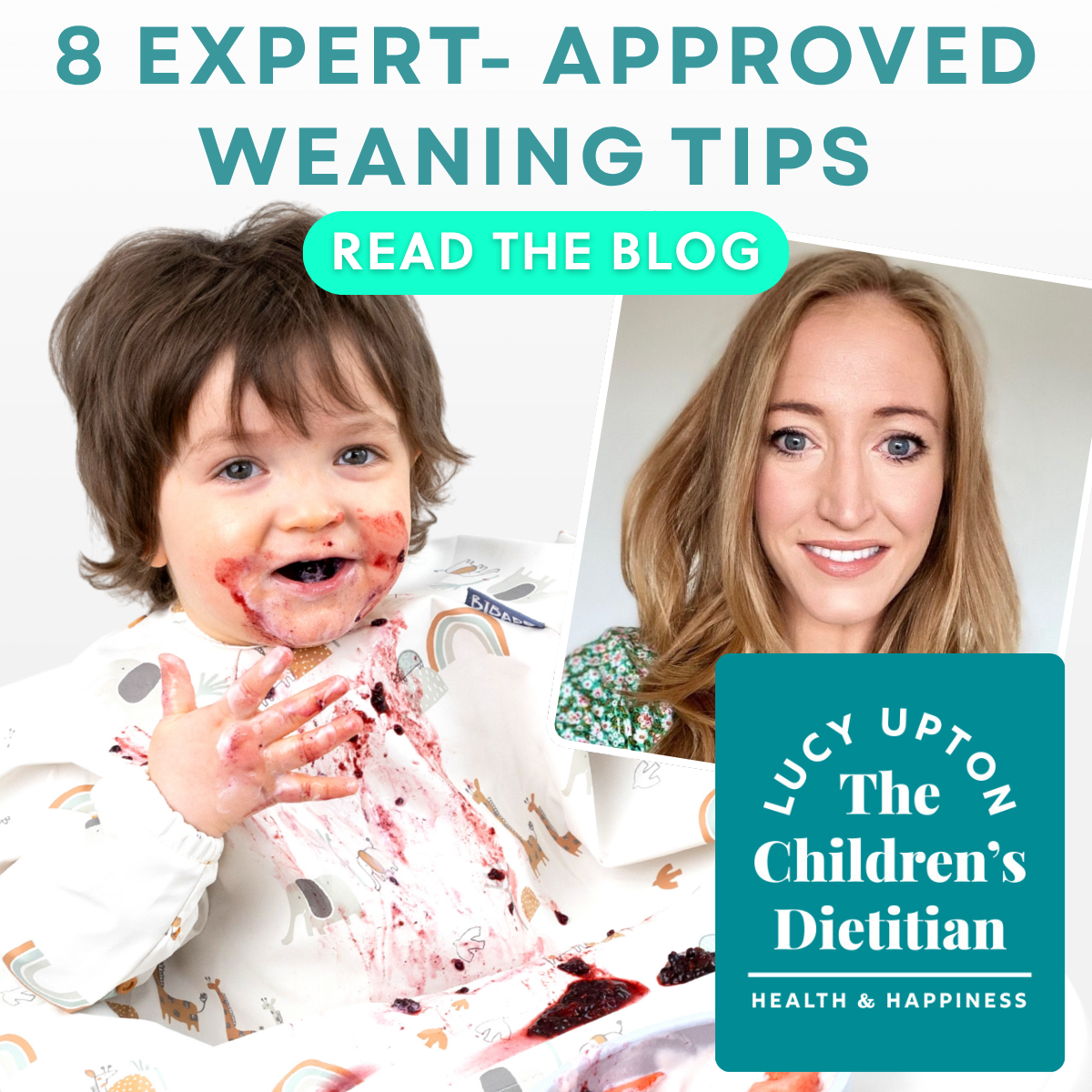
Weaning can feel like it begins with that first mouthful of food. But in reality, it starts much earlier than that. According to our resident paediatric dietitian Lucy Upton, the foundations you build before food is even introduced can make a meaningful difference to how confidently your baby approaches eating later on.
With that in mind, we’re sharing 8 practical, expert-backed tips to give you the best start to BLW possible, and how best to support your baby once food is on the menu.
Involving your baby in family mealtimes helps them start recognising what eating looks like. Even before they’re eating themselves, they’re observing food, routines, and social cues around mealtimes. This familiarity helps to reduce hesitation later on.
Empty cups, spoons, and bowls are more powerful than they look. They support early development of hand-to-mouth coordination, grip, and midline movement - skills that are essential when self-feeding begins.
Tummy time builds the core, neck, and shoulder strength needed for safe, upright eating. These physical foundations are often overlooked but are key to helping your baby sit and swallow comfortably during weaning. More on reducing the risk of choking during BLW here.
Let your baby explore a variety of textures: wet, dry, soft, and squishy. Sensory exploration builds confidence with new experiences and helps reduce hesitation when new foods introduce similar sensations.
Remember - every mealtime is a sensory lesson, and it can start even earlier with sensory-based food play. When babies touch, squish, smell, and then taste food, they’re building key neural connections that support memory, problem-solving, and understanding cause and effect (“if I squeeze this, it changes shape”).
Once weaning begins, babies learn best by doing. Grabbing, touching, and exploring food—especially if it gets messy—helps develop independence and essential feeding skills. As we know, mess is not a setback; it’s a vital part of the learning process to allow them to explore food without limits.
In the early stages, it’s not about how much your baby eats. It’s about how often they experience food. Tasting, touching, and exploring build familiarity over time, even if most of it ends up on the floor at first.
This repeated exposure is key for helping babies build confidence with new foods and reducing neophobia (the natural hesitation around unfamiliar foods). Over time, it’s this low-pressure familiarity that supports broader acceptance and more positive eating habits.
Eating together helps your baby learn through observation. A calm, pressure-free environment supports curiosity and allows your baby to engage with food at their own pace.
Struggling to understand your role at mealtimes? Read our blog for more guidance.
Messy eating is not something to manage - it’s something to encourage. Mealtimes are the most important part of their day for both cognitive and physical development, and when babies are free to fully explore food, they build confidence, sensory awareness, and stronger long-term skills that go beyond eating.
1 Bonus Tip: Don’t Rush It
It’s natural to feel excited about starting your little one on their weaning journey, and it can be tempting to begin as early as possible. But starting too soon can actually make things harder, leading to frustration and slower progress for both you and your baby.
If you’re unsure whether your little one is ready, take a look at our blog for guidance. In general, it’s better not to rush—waiting a little longer often means you’ll have a more eager, ready-to-go eater who’s excited to dive into solid foods when the time comes.
Weaning is not a single milestone moment - it’s a gradual journey shaped by preparation, repetition, and experience. When you focus on building foundations early and allowing space for exploration during mealtimes, you’re not just introducing food—you’re supporting a healthy, confident relationship with eating from the very start.
You’re also supporting key cognitive and physical development, from hand-eye coordination and oral motor skills to early problem-solving and sensory processing, all of which are built through these everyday feeding experiences.
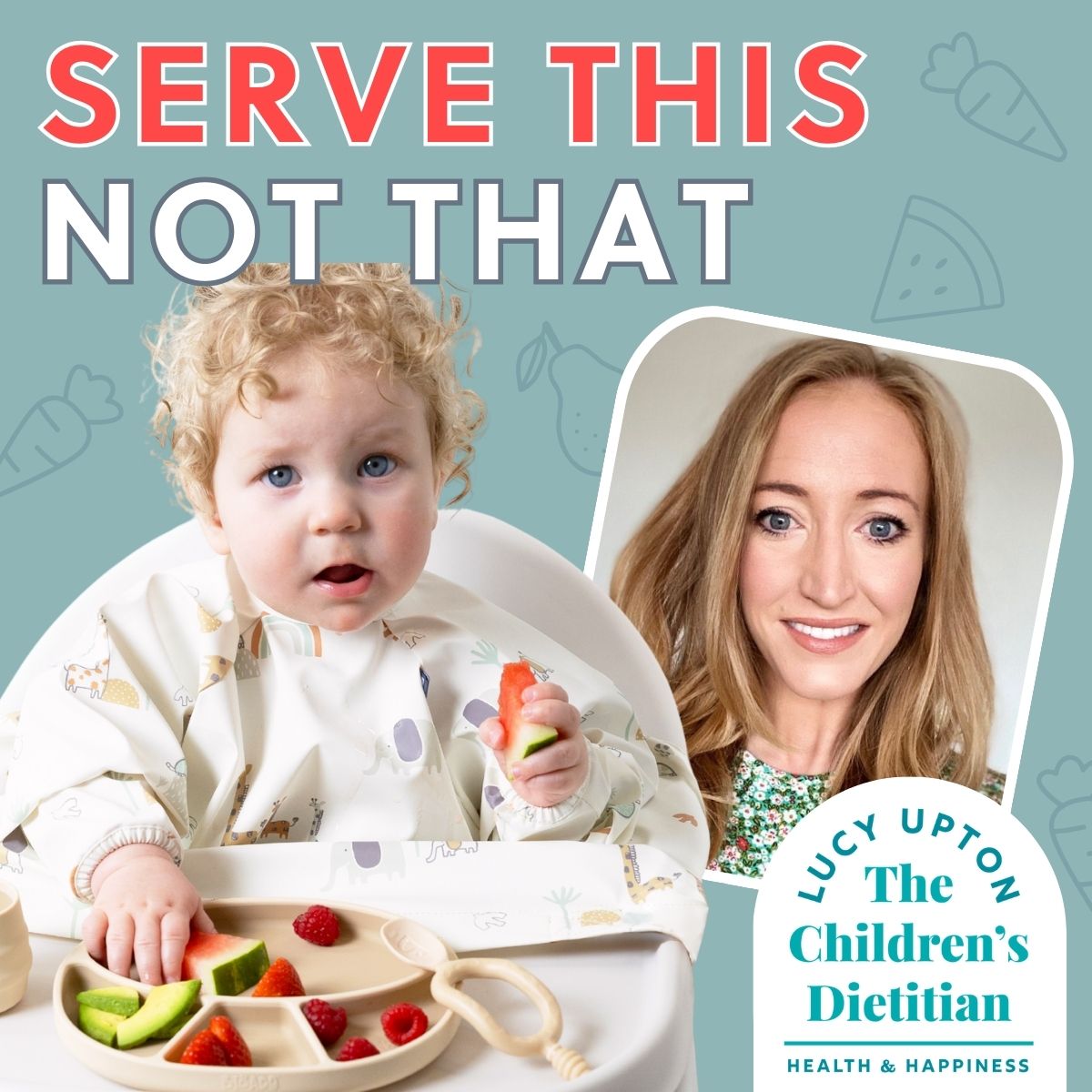
Serve This, Not That (To Minimise Choking!)
In Serve This, Not That, our resident expert, Lucy Upton, The Children’s Dietitian, breaks down exactly how to prepare and serve common foods safely to minimise choking risks.
Read more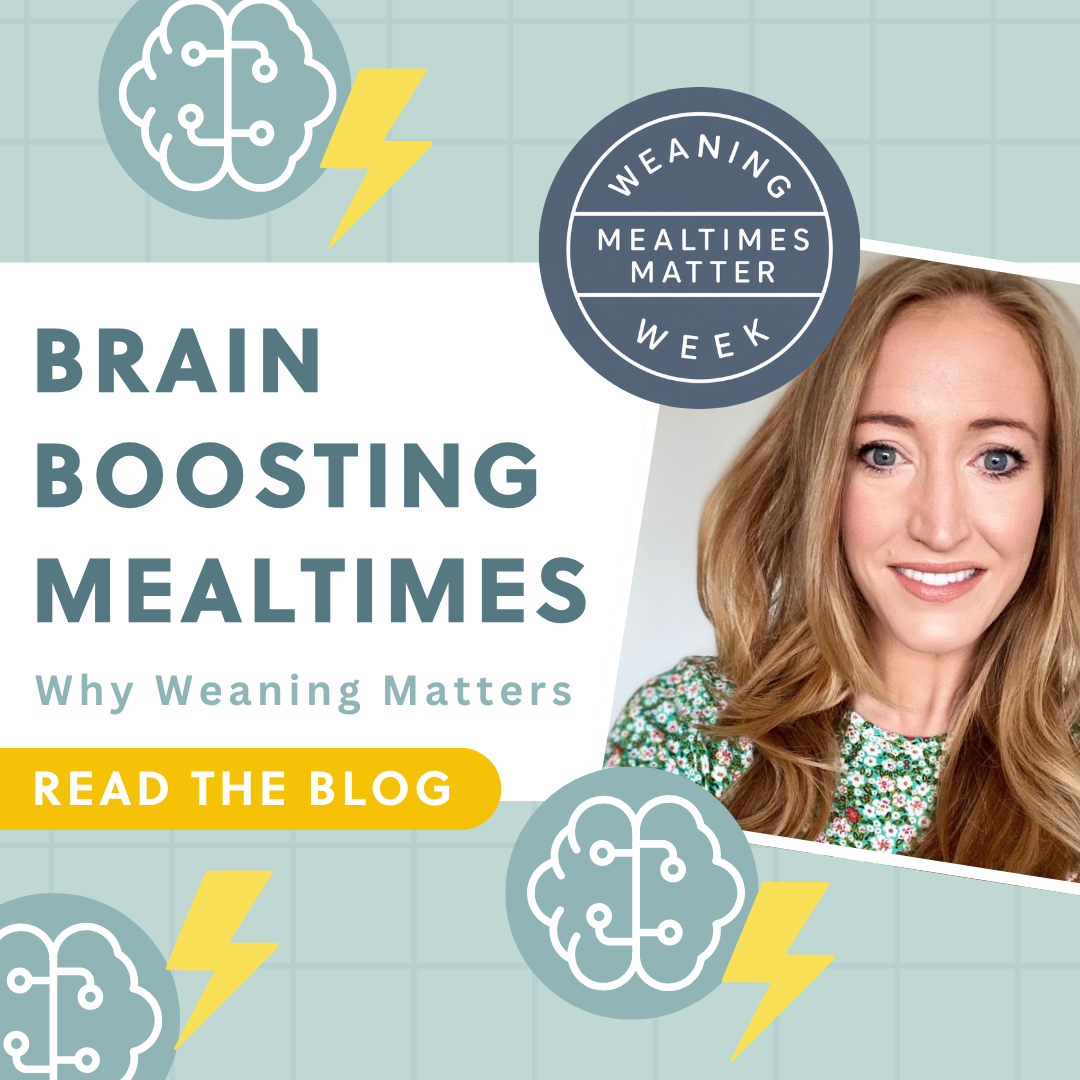
Why Weaning Matters for Their Brain Development
Starting solids is a huge developmental milestone, helping little ones build brain-boosting connections with every bite, squish and smear. To explore why weaning is such an important stage for earl...
Read moreFollow us for more delicious, nutritious bite-size Bibado goodness
