Mealtime adventures are better with Bibado! Let our award-winning products make a difference to your weaning journey.
 Shop Now
CART
Your cart is empty
Mealtime adventures are better with Bibado! Let our award-winning products make a difference to your weaning journey.
Shop Now
More often than not, we worry about what or how much our baby is eating, but how often do the health professionals we meet in those early days tell us how important our role is in the process?
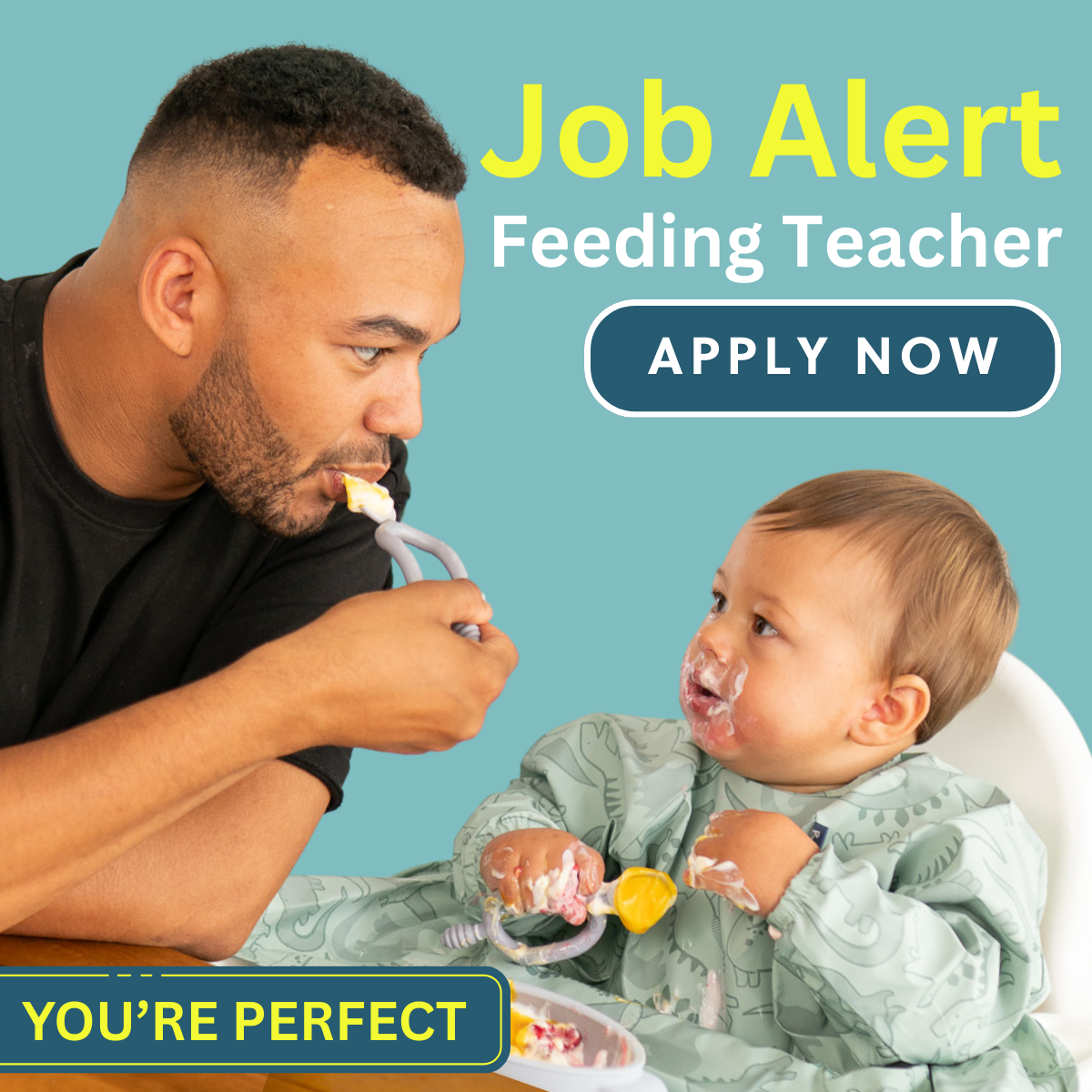
More often than not, we worry about what or how much our baby is eating, but how often do the health professionals we meet in those early days tell us how important our role is in the process?
Before you sit down to your next weaning adventure, read this. The simplicity will probably blow your mind, and it might just save you from picky eating problems later down the line
Spoiler alert: our actions, behaviour, presence and approach at mealtimes can have a lasting impact!
One of the most overlooked parts of introducing solids is assisted feeding and behavioural modelling. Babies are not born knowing how to chew, bite, pace a meal, or even understand that food goes in the mouth instead of being squashed into their hair (though that’s a great part of sensory input and discovery, too).
They learn by watching you and from the help and support you give them at mealtimes, which is why being present at mealtimes and eating with your Little One is so important.
Whether you follow traditional spoon-feeding, baby-led weaning, or a mixture of both, your baby’s biggest teacher at the table is not a cookbook, a feeding chart, or a pouch — it’s you.
Assisted feeding means actively helping your baby learn to eat rather than passively delivering food.
This can include:
It is not force-feeding. And it is not controlling intake.
Instead, assisted feeding falls under responsive feeding—where you provide structure and the opportunities for skill-building, while your baby controls how much they eat.
No parent expects a child to speak clearly without hearing language first. Eating is the same.
Your baby has to learn how:
They copy you instinctively. If a baby never sees chewing, they can’t invent chewing.
1. It Builds Oral Motor Skills
Chewing is a learned motor pattern. Babies start with a suck reflex — not a chew reflex.
When they watch you exaggerate chewing movements, they begin copying:
This is why babies often open their mouths when you open yours — they are mapping your movements onto their own body.
Without modelling, many babies:
2. It Reduces Choking Risk
Helping and demonstrating actually make self-feeding safer.
A baby who learns to bite manageable pieces, pause between bites, and chew before swallowing is far safer than a baby left to figure it out completely alone.
Watching you take bites teaches pacing—one of the key protective factors against choking.
3. It Prevents Picky Eating Later
Babies are biologically wired to trust foods they see adults eat.
From an evolutionary perspective, we learned that if a tribe eats it and survives, it is safe.
When babies eat separately (different food, different time, different place), they lose this powerful learning mechanism.
Research consistently shows that children who eat with parents, family members, and caregivers, and who see foods eaten repeatedly, accept more variety.
4. It Teaches Appetite Regulation
Your baby learns when meals start and end by observing you.
They notice:
This helps them develop internal hunger cues — the foundation of healthy lifelong eating habits.
You don’t need special techniques (although some expert-approved tools help). You just need to be obvious.
Language links action to understanding. Yes — it feels dramatic, but that’s the point.
It also helps to eat the same food whenever possible. You don’t need to rely solely on baby food. You can just adjust what you’re eating - perhaps a softer texture, appropriately sized, and ensure that you prep their portion before adding salt or sugar. Babies learn faster when food is shared.
This is where many parents feel confused. Baby-led weaning does not mean hands-off parenting. You are teaching a skill — not interfering with autonomy.
Ways you can help:
Offer → Demonstrate → Pause → Let Them Try
You may notice:
These often improve dramatically when caregivers actively demonstrate eating, but you should seek professional help if you are concerned.
Modern feeding environments differ from history. Our lives and routines are faster-paced, and there’s more reliance on other caregivers and nursery settings. We tend to share fewer family meals and have more separate baby food. So babies may sometimes have less opportunity to observe eating than nature intended. Yet, there’s still so much we can do, and every effort is worth it. Experts agree that even sitting down once a week with our babies and making time to model and interact at mealtimes is beneficial.
So, don’t worry about how often you’re doing it. Just dive into developmental weaning whenever you can. Remember, you are your child’s first teacher, and you’re providing them with foundational skills that will shape so many areas of their life as they grow and develop.
Assisted feeding isn’t controlling feeding. It’s teaching eating. By modelling and participating in meals, you help your baby build positive mealtime relationships, vital social skills, and nurture a wider acceptance of food.
In short, you’re not just feeding your baby. You’re coaching and raising a future eater.
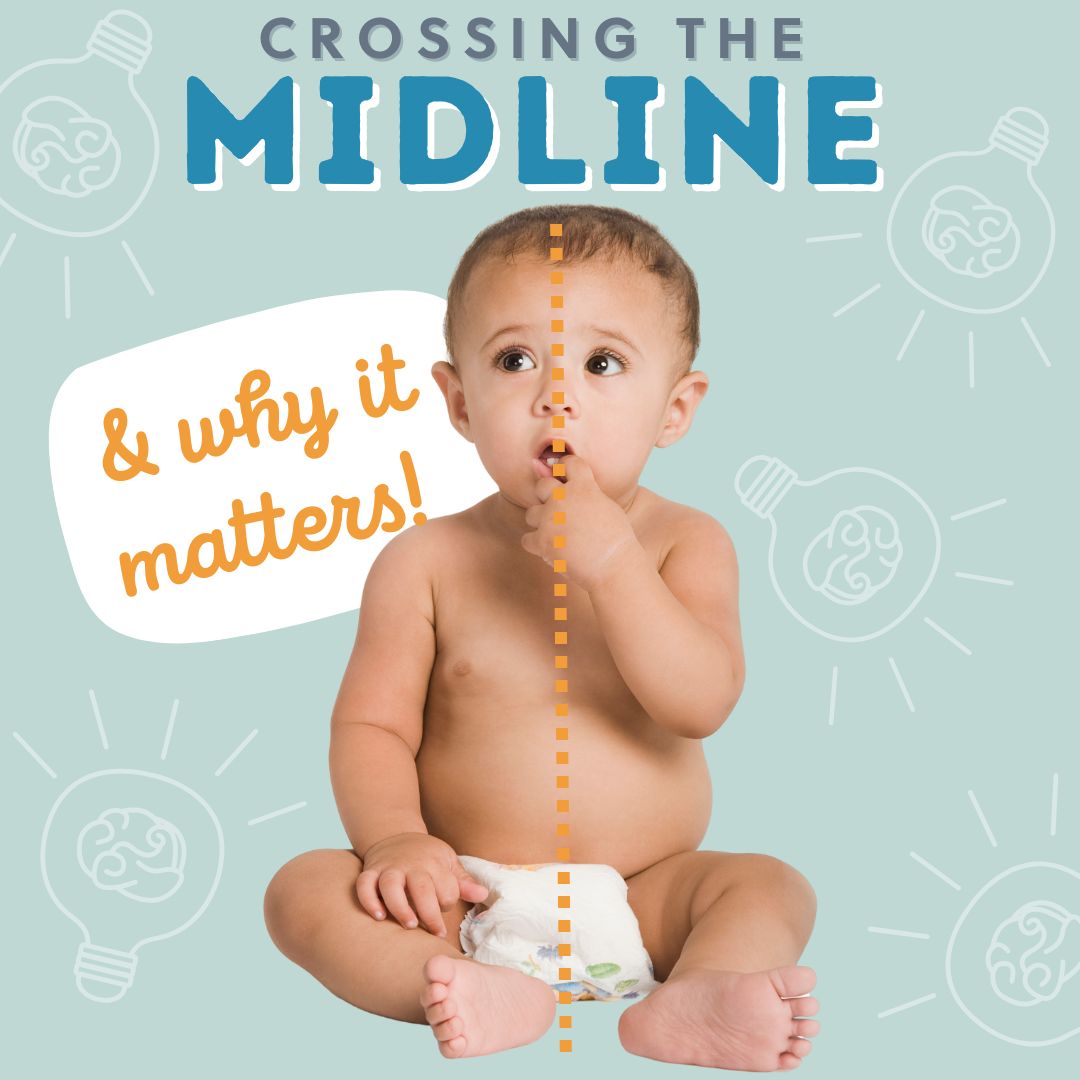
Crossing The Midline & Why It Matters For Weaning
The midline is an imaginary line dividing the body into left and right halves. It runs vertically through the centre of the body from head to toe. So what is it, why does it matter, and what can yo...
Read more
Are You Stealing Their Struggle? Learning How to Let Go at Mealtimes
At mealtimes, it’s natural to want to step in—but helping too quickly can take away valuable learning moments. This blog explores why letting your baby struggle (and get messy!) is key to building ...
Read moreFollow us for more delicious, nutritious bite-size Bibado goodness
